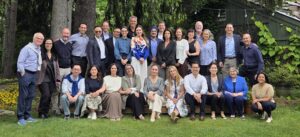

Sharilyn Hale was the Caribbean region editor for the 2025 Global Philanthropy Environment Index, a research project of the Indiana University Lilly Family School of Philanthropy. Every three years, the project assesses the factors that enable philanthropy globally – 15 regions and 95 countries – in order to keep a pulse on the health of philanthropy and civil society.
In the Caribbean region report, Dr. Hale explores the diverse cultures of generosity and mutual aid across the region (featuring Barbados, The Bahamas, and Jamaica), while also highlighting the systemic challenges and emerging trends shaping the current non-profit sector. Here are the key takeaways from the report:
Regulatory and Operating Environment
Overall, there is a supportive environment for philanthropy across the region.
While there are few barriers to establishing new Philanthropic Organizations (POs), the process can be highly bureaucratic and time-consuming.
A major frustration cited by POs is the burdensome bureaucracy, poor coordination, and under-staffing across government ministries.
Regulatory frameworks in countries like Jamaica and Barbados are outdated and need significant revisions, whereas the Bahamas adopted an updated framework in 2019.
Tax Incentives and Funding
The non-profit sector in the region is generally not well-funded or professionalized.
While charitable tax incentives exist (such as income tax deductions in Barbados and Jamaica), they are relatively modest, not widely known, and rarely act as major drivers for giving.
High levels of national debt prevent greater government investments in the non-profit sector, making government subsidies to POs unstable and uncertain.
The region sees more funds flowing in from international donors, corporate donors, and diaspora remittances than flowing out.
Socio-Cultural Dynamics
The Caribbean possesses a strong culture of generosity and informal mutual aid (often termed “crowd-funding”), which is more culturally widespread than institutionalized giving to POs, outside of the church.
Businesses tend to be the most active donors in the region, often driven by marketing and branding priorities.
Strong cultural norms regarding privacy about financial matters often keep generous personal giving out of the public eye.
Emerging Trends and Climate Focus
As small island developing states, the Caribbean is at the forefront of climate change impacts. POs are leading mitigation and adaptation efforts, primarily funded by international bodies and local governments rather than individual donors.
Climate change, social justice, and gender equity have emerged as highly significant areas of focus for POs.
The digital shift and mobile money present new opportunities for POs, though this is hindered by chronic under-banking in the region, which makes opening a bank account an insurmountable task for some organizations.
To read the full findings and explore the data in depth, you can access the report here: The 2025 Global Philanthropy Environment Index: Caribbean Regional Report.