

Case Study: Establishing a family office.
A successful family office will be a focal point for addressing a broad range of topics for a family.
This will include coordination of work from advisors on tax, legal, investment and other services.
The office should also have a strong risk management perspective.

Case Study: Transitioning a family office
Many family offices were established decades ago. Leaders of many offices are nearing retirement age. Recently an office, established in the early 90s with a non-family leader, engaged LGA to help them deal with executive transition. This office was set up by the wealth creator and operates as a Controlling Owner family office. The patriarch in his 80s had transferred ownership to the siblings in the next generation.

Philanthropy in Complex, Multi-Generational Families
For many, family philanthropy presents an opportunity to create a shared experience, unifying the
family by working together toward a lasting legacy of impact. Family philanthropy can also give
participants an opportunity to explore and cultivate their personal—and sometimes separate—
philanthropic passions

A Family Foundation Won’t Fix What Isn’t Working
Before establishing a family foundation for the purpose of collective giving, it is imperative that families consider their ability to find common purpose and work together productively. A collective approach to giving should build on a foundation of social capital, rather than be a driving tool to create it.

Generations Of Giving
“A thorough and powerful work, Generations of Giving: Leadership and Continuity in Family Foundations demands.

Can Families Find Purpose by Giving Together?
In this episode of the LGA Lighthouse podcast, host Tim Yeung interviews Ashley Blanchard, a Partner at LGA and an expert in family philanthropy. Drawing on her co-authored study with Wendy Ulaszek for the National Center for Family Philanthropy, Ashley shares insights on how families can successfully engage the next generation, balance individual interests with collective purpose, and navigate the journey of professionalizing their philanthropic efforts.

How to approach Philanthropy
About one-quarter of our work relates to family philanthropy, most often as part of a complex family enterprise or family office.

Protecting the family legacy starts in the family office
Many families have decided to formalize a Family Office to serve the financial and professional needs of family members.
Doing good 2.0: How has family philanthropy changed?
Ashley Blanchard talks about how philanthropic families around the world experienced the pandemic and how philanthropy has changed.
Neus Feliu
Neus has 20 years of expertise in corporate and family business governance specializing in large Latin American and European.
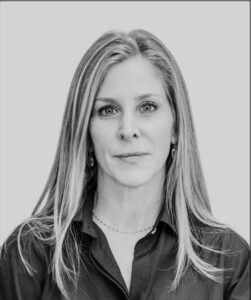
Ashley Blanchard
Ashley works with philanthropic families to help them define a shared vision for their family’s philanthropy, and the structures and operations to realize that vision.
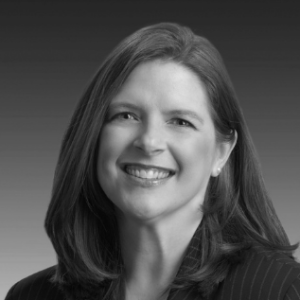
Wendy Ulaszek
Wendy is a partner that has over 15 years of consulting and counseling experience in individual, group, and organizational assessment and leadership development.
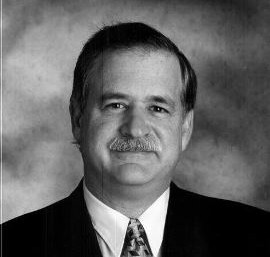
Kelin Gersick
Kelin is a Co-founder and Senior Advisor at LGA with over 30 years of experience consulting and teaching around the world.
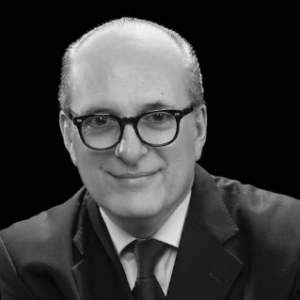
Gustavo Carvajal
Gustavo is a Principal at LGA, advising family enterprises throughout Latin America on complex corporate governance matters.
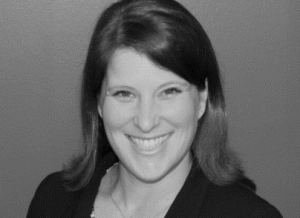
Lisa Lazarus
Lisa is a trusted advisor, strategist, facilitator, and executive coach who applies an equity lens to help families take action.

Kathleen Boyle Dalen
Kathleen is a psychologist with deep experience blending her training in organizational and family systems with philanthropy governance.
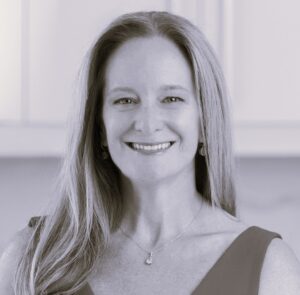
Sharilyn Hale
Sharilyn helps generous families and individuals channel their wealth and influence for good. She works with leading philanthropists and social purpose organizations across North America and the Caribbean, guiding them to give well, engage their families, and create a meaningful legacy.

Lira Low
Lira Low is a conflict management specialist and a mediator, as well as a facilitator and executive coach. She facilitates sensitive conversations with and between different generations of enterprising families to support understanding, clarity and alignment on governance processes and systemic dynamics.