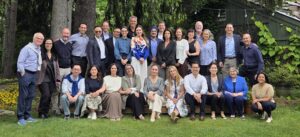

In this episode of the LGA Lighthouse podcast, host Tim Yeung continues his two-part conversation with LGA co-founders Kelin Gersick and Ivan Lansberg. Building on their previous discussion about family systems, they dive into one of the most persistent and emotionally charged challenges in family enterprise: the Succession Conspiracy. They explore why succession is so frequently avoided and how to transform it from an individual struggle into a shared institutional process.
Key themes discussed in this episode include:
- Succession as a Systemic Resistance: Succession planning often stalls not just because of an incumbent’s ego, but because of a “conspiracy” of resistance across the entire system. Spouses fear a loss of status, children fear destructive rivalries, and executives fear the uncertainty of new leadership. Recognizing that “succession gravity” points toward avoidance helps families normalize the difficulty and move away from blaming the leader for not “letting go.”
- The Power of Scaffolding and Timelines: To break the cycle of avoidance the concept of building an “institutional scaffolding” was raised. This includes creating formal forums for discussion and framing the transition temporarily. By picking a target date, even one that is years away, and planning backward, families can establish clear expectations for what needs to happen at the halfway and quarter-way marks. This turns a vague, threatening event into a manageable project.
- Focusing on “Moving Toward,” Not “Stepping Away”: A critical component of a successful transition is helping the incumbent leader design a compelling “Next Chapter.” Succession is often experienced as a profound loss of identity and relevance. By treating the transition as a career plan for a new phase of life—one where skills are redeployed into governance, mentorship, or new ventures—the process shifts from a feeling of ending to one of movement and growth.
- Pattern Recognition Through Models: Both Kelin and Ivan discuss how models help advisors and families identify “phenotypical” patterns—behaviors that repeat across different situations. Whether it’s the way families integrate in-laws or how they navigate “filial piety” in different cultures, these models provide a map. They help families see that their problems aren’t unique or personal, but part of a natural, albeit complex, evolutionary process.
Listen to this episode of LGA Lighthouse on your preferred podcast platform. Consider subscribing to receive notifications for upcoming episodes.